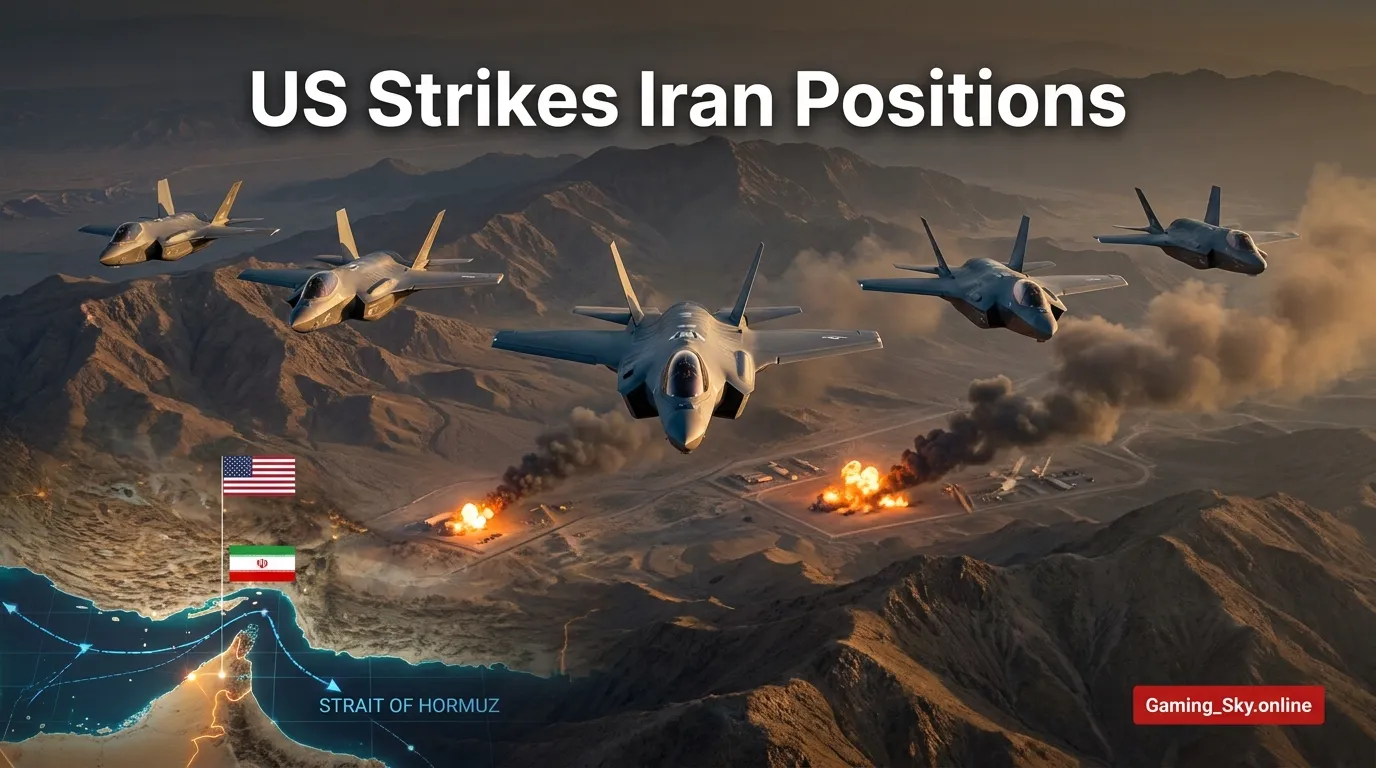
The United States has stepped up its military campaign against Iran with another round of airstrikes, hitting targets across the country as the conflict enters its second week of intense fighting. These latest operations come after Iranian attacks killed several US service members in Jordan and Iraq, pushing the death toll higher and leaving little room for talks right now.
President Trump has made it clear the strikes will keep coming. Officials, including Secretary of State Marco Rubio, stress there will be no letup until Iranian threats to US forces and shipping lanes like the Strait of Hormuz are dealt with. This escalation feels raw and immediate, with real lives lost and global energy markets already reacting.
How the Latest Strikes Unfolded
US Central Command reported completing its 11th consecutive night of precision strikes. Fighter jets, drones, and naval assets targeted Iranian military sites, including command centers, drone facilities, logistics hubs, and positions near key coastal areas.
Explosions were reported in places like Chabahar, Konarak, Bandar Abbas, and areas in Khuzestan province. Iranian state media described the attacks as hitting military and energy infrastructure, though details on damage and casualties from the Iranian side remain limited. One notable target mentioned was the Bidboland Gas Refinery, a major processing hub.
These operations follow a pattern. The US says the strikes aim to degrade Iran’s ability to launch attacks on American troops and disrupt commercial shipping. Iran has responded with its own drone and missile actions, including strikes on Gulf bases and vessels in the Strait of Hormuz.
Casualties on the US Side Bring the Conflict Home
The human cost became painfully clear over the weekend. Iranian attacks on a base in Jordan killed at least two to three US service members, with others injured and one initially missing. Another American soldier died in northern Iraq during the controlled detonation of a downed Iranian drone.
The Pentagon identified victims, including Sgt. Angel Rampersad and others. These losses mark some of the first direct combat deaths in this phase of the fighting. Trump described the deaths as “a very sad thing” and framed ongoing strikes as honoring those fallen troops.
Bold action against Iranian-backed threats has come at a price. Families back home are grieving, and the total US casualties in the broader Iran-related operations have climbed. This reality puts extra pressure on decision-makers in Washington.
Rubio’s Firm Stance on the Strait of Hormuz
Secretary of State Marco Rubio has been vocal. He emphasized that the US will not tolerate Iranian interference in the Strait of Hormuz, a critical waterway for global oil shipments. Rubio called on allies to help keep the strait open and warned that Iran’s attempts to impose control or attack shipping there are unacceptable.
“The Straits of Hormuz are an international waterway,” Rubio noted, highlighting attacks on commercial vessels. Iran has launched operations targeting tankers, leading to crew deaths and injuries, which spiked fears of broader disruption.
This focus matters because roughly one-fifth of the world’s oil passes through the strait. Any prolonged closure or threat drives up prices and ripples through economies everywhere. Brent crude has already surged past $95 a barrel amid the fighting.
Why Diplomacy Has Stalled
Efforts at negotiation, including a fragile ceasefire or memorandum of understanding, have collapsed. A recent deal fell apart after renewed attacks from both sides. Background tensions trace back to Iran’s nuclear program, regional proxies, and earlier exchanges involving Israel.
Trump administration officials say strikes are necessary for self-defense and to protect allies. Iran portrays the US actions as aggression. With positions hardened, direct talks seem distant. Rubio has left the door slightly open for serious negotiations but made clear the US will protect its interests regardless.
Common in these situations is a cycle: attack, retaliation, condemnation, and calls for restraint that often go unheeded. The human and economic stakes keep rising.
Broader Impacts and What Comes Next
The fighting affects more than just the battlefield. Oil prices climbing create headaches for consumers and industries. Shipping companies reroute or pause operations, raising costs. Gulf states hosting US bases have faced Iranian retaliation attempts, drawing them deeper into the fray.
Iranian opposition voices, like Reza Pahlavi, have spoken out, urging citizens in affected provinces to seek safety and criticizing the regime’s use of civilian areas. Inside Iran, reports mention air defenses activating over Tehran and residents dealing with the fallout.
For US forces, the mission continues with an eye on degrading specific capabilities: ballistic missiles, drones, and naval threats. Defense costs have mounted, with the Pentagon requesting more funding.
Risks abound. Escalation could pull in more regional players or lead to miscalculations with wider consequences. Yet officials argue that inaction would allow Iranian attacks on troops and shipping to continue unchecked.
The Human Reality Behind the Headlines
Service members in Jordan and Iraq faced sudden, intense barrages. Bases came under fire from drones and missiles that defenses sometimes struggled to fully intercept. The loss of young soldiers like those recently named hits hard. It reminds everyone that strategy on paper translates into real sacrifice on the ground.
Families wait for news, bases stay on high alert, and commanders adjust tactics. On the Iranian side, military personnel and civilians near targets deal with the immediate effects of strikes. This is no abstract geopolitical game.
Looking Ahead Amid Uncertainty
The US shows no signs of backing down in the near term. Fresh airstrikes signal determination to counter threats. But sustained operations bring questions about duration, costs, and chances for a breakthrough back to the table.
Diplomacy often restarts when both sides feel enough pain or see mutual benefit. For now, the priority remains protecting US personnel and keeping vital sea lanes open. The situation remains fluid, with each night potentially bringing more developments.
Readers following this story understand the gravity. Casualties mounting and diplomacy stalling create a tense environment where decisions today shape outcomes for months or years. The focus stays on de-escalating where possible while addressing core security concerns.